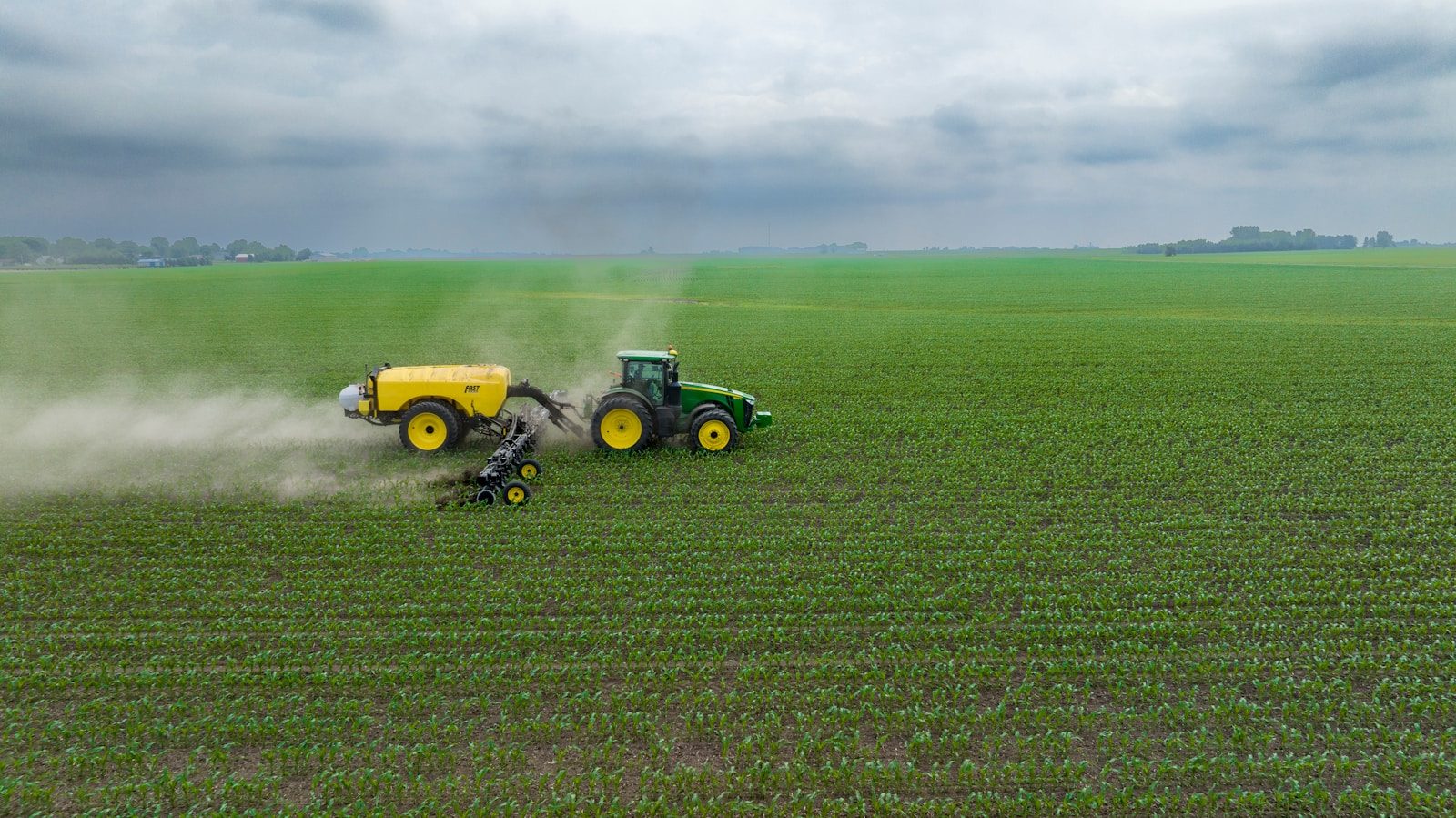
Glyphosate is an herbicide used to kill certain plants and grasses, manage how plants grow, get crops ready for harvest, and ripen fruit. It’s called a nonselective herbicide, which means that it kills most plants. It works by stopping plants from making certain proteins that are essential to their growth.
Glyphosate has been used in the U.S. since 1974 and is one of the nation’s most popular herbicides. It has many different uses — from home gardens to big agriculture.
It is often used on:
- Fruit and vegetables
- Glyphosate-resistant crops such as canola, corn, cotton, soybeans, sugar beets, and wheat
- Planting, lawns, greenhouses, aquatic plants, and forest planting
The biggest users of glyphosate are growers of crops that have been genetically engineered to be resistant to the herbicide. This allows the plant to survive while killing nearby weeds. It is also used to control plants in ponds and streams, and in forests to clear land for planting trees.
Is Roundup the same as Glyphosate?
Glyphosate is the declared active ingredient in most versions of Roundup. But Roundup also contains a variety of other ingredients designed to help the herbicide stick to and penetrate plant surfaces more effectively.
Is it a carcinogen?
The EPA in the US says that glyphosate is not likely to cause cancer in humans. However, the International Agency for Research on Cancer (IARC) has classified the chemical as “probably carcinogenic to humans.” The EPA and IARC relied on different kinds of research to reach their conclusions.
The relationship between the use of herbicides and their ability to cause harm to human health is one of the most widely studied areas in toxicology. There have been numerous studies and experiments done on this topic. Other studies indicate that glyphosate is associated with various additional health conditions, including hypertension, diabetes, and other serious conditions.
Glyphosate in Food
Here’s what I found when looking at which foods had high and low levels of glyphosate.
High levels:
- Oats and breakfast cereals: Cheerios and Nature Valley granola bars (often exceed 160 ppb)
- Legumes and pulses: conventional beans, lentils, chickpeas, and hummus
- Grains: barley, buckwheat, and wheat-based products
Low levels:
- Organic foods: certified organic standards prohibit the use of synthetic herbicides like glyphosate
- Non-GMO project verified
- Produce that is washed/peeled
Glyphosate-free:
- Avocados, sweet corn, onions, mangoes, and sweet potatoes
- Certified organic oats, quinoa, and similar grains
- Grass-fed/pasture-raised animal products or wild-caught seafood
Note: While many conventional, processed foods are high in glyphosate, the FDA and EPA maintain that most detections in food are below established, safe regulatory limits.
My Opinion
Glyphosate has been in use since 1974. Interestingly, that’s around the same time obesity rates began to rise, and as we know, they’ve continued climbing ever since.
Is glyphosate the only reason? Of course not. Obesity is complex and multifactorial. But glyphosate is commonly found in many processed foods, and processed foods are undeniably part of the problem.
While no single factor explains the epidemic, it’s worth paying attention to what’s in our food, and how often we’re eating it.